
Rossmere Academy
English


English at Rossmere Academy
Reading lessons
At Rossmere Academy, reading and writing is taught in the morning, the children experience a half hour taught reading session. This is linked to the class novel. It includes a short, taught fluency session followed by modelling how to comprehend a text. Fluency is taught using echo reading, choral reading and popcorn reading. The children then have the opportunity to access some comprehension themselves. Within the our cycle, the children have experience answering ‘cold questions’ to assess their ability to read along with Readers Theatre.
Children in Year 2 begin the year in autumn with phonics to fluency lessons. These are half hour sessions and run for half of the term. If the children continue to need specific taught fluency lessons, these will remain until the end of autumn. These sessions are to bridge the gap between children learning their phonics and building up to be a fluent reader who can comprehend texts they have read.
English Lessons
Staff follow their detailed, writing progression document, reading progression document and CMAT (Comparative Milestone Assessment Tool) sheet to help them plan their reading lessons in English. The reading progression document and CMAT sheet ensures that all reading domains are covered and that the children are prepared for their next stage in learning. Texts are updated each year and matched were possible to curriculum outcomes and show cultural diversity. English lessons are one hour long each day. Each English lesson begins with a grammar starter that is planned using a progressive grammar document.
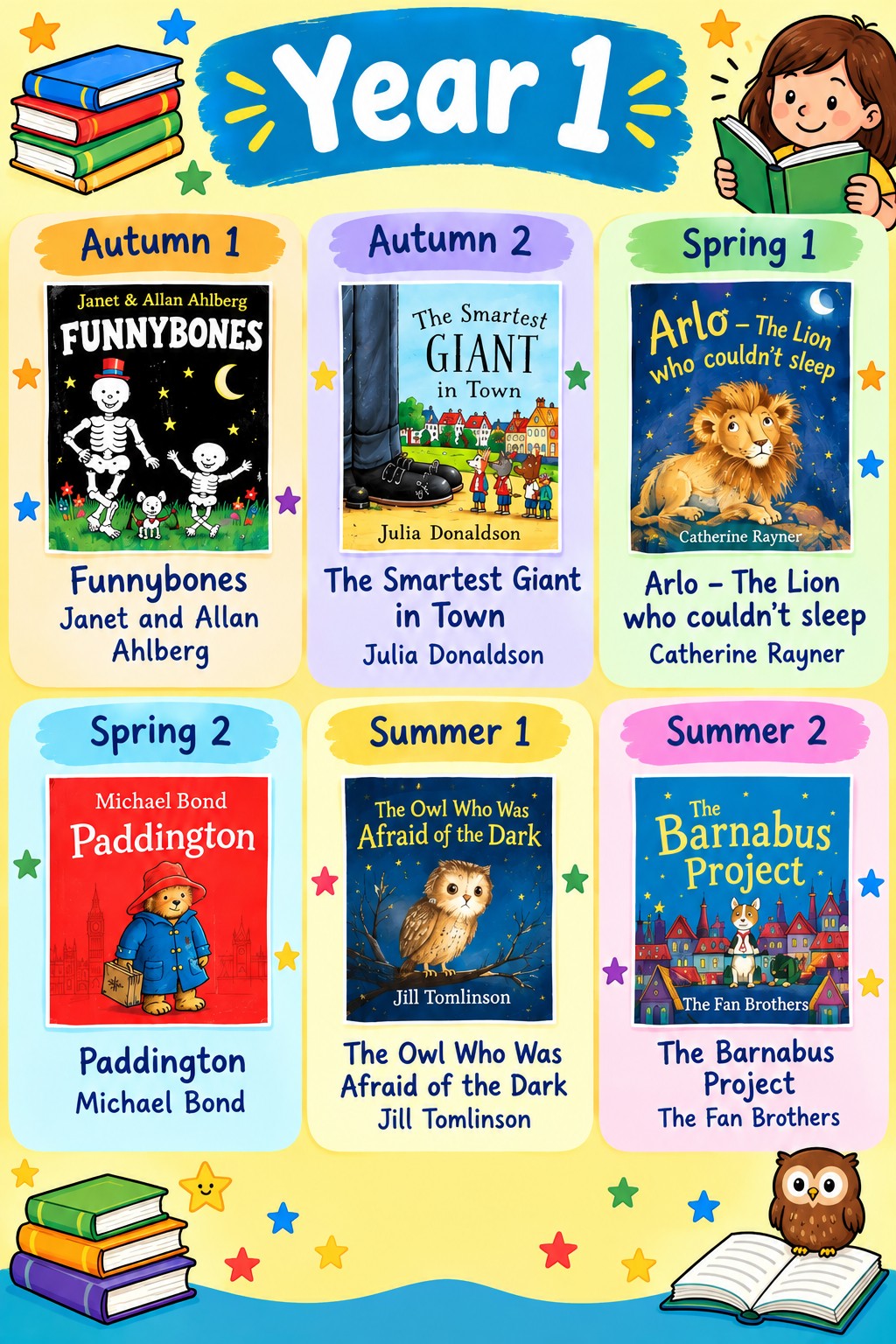
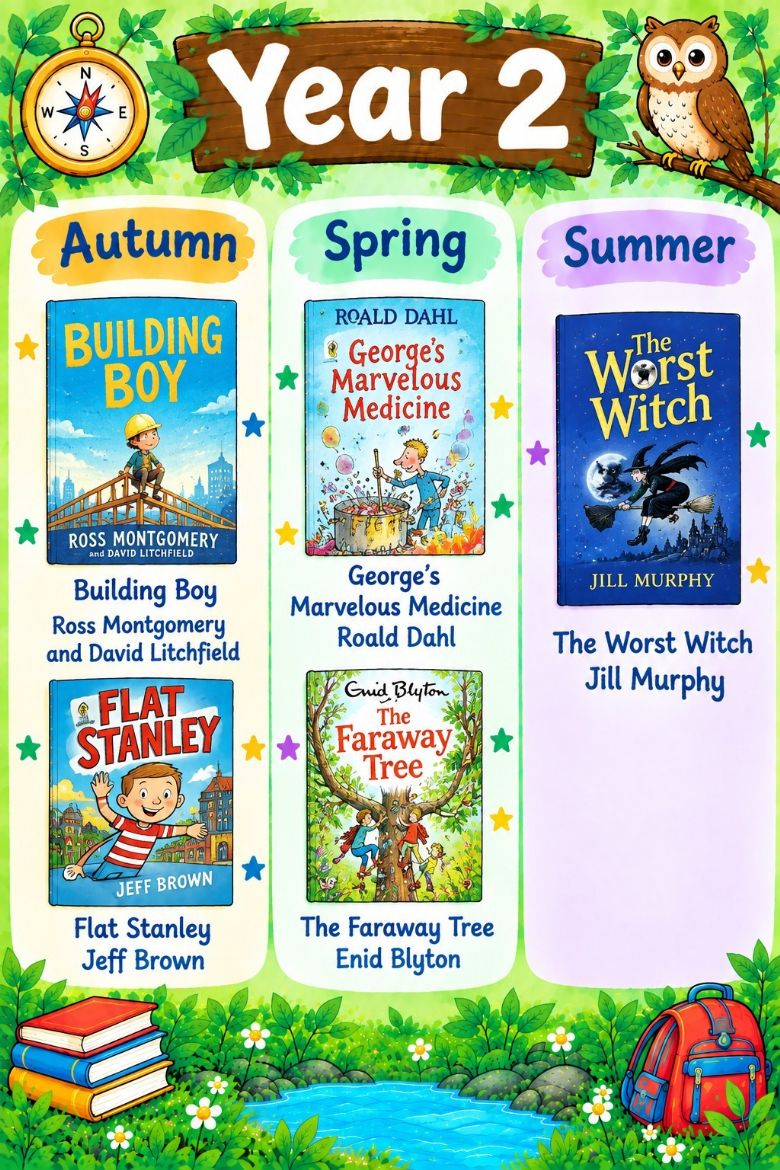
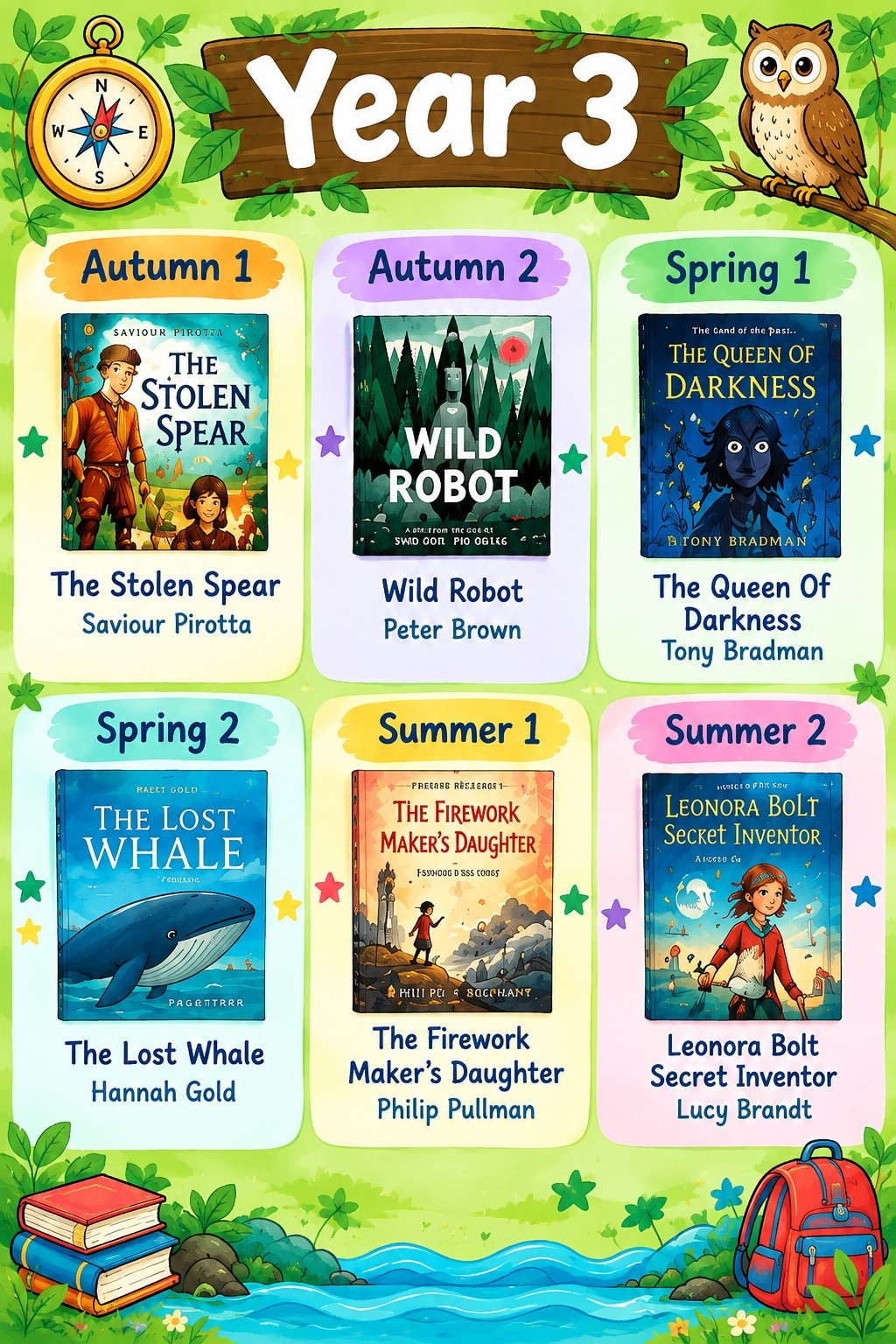
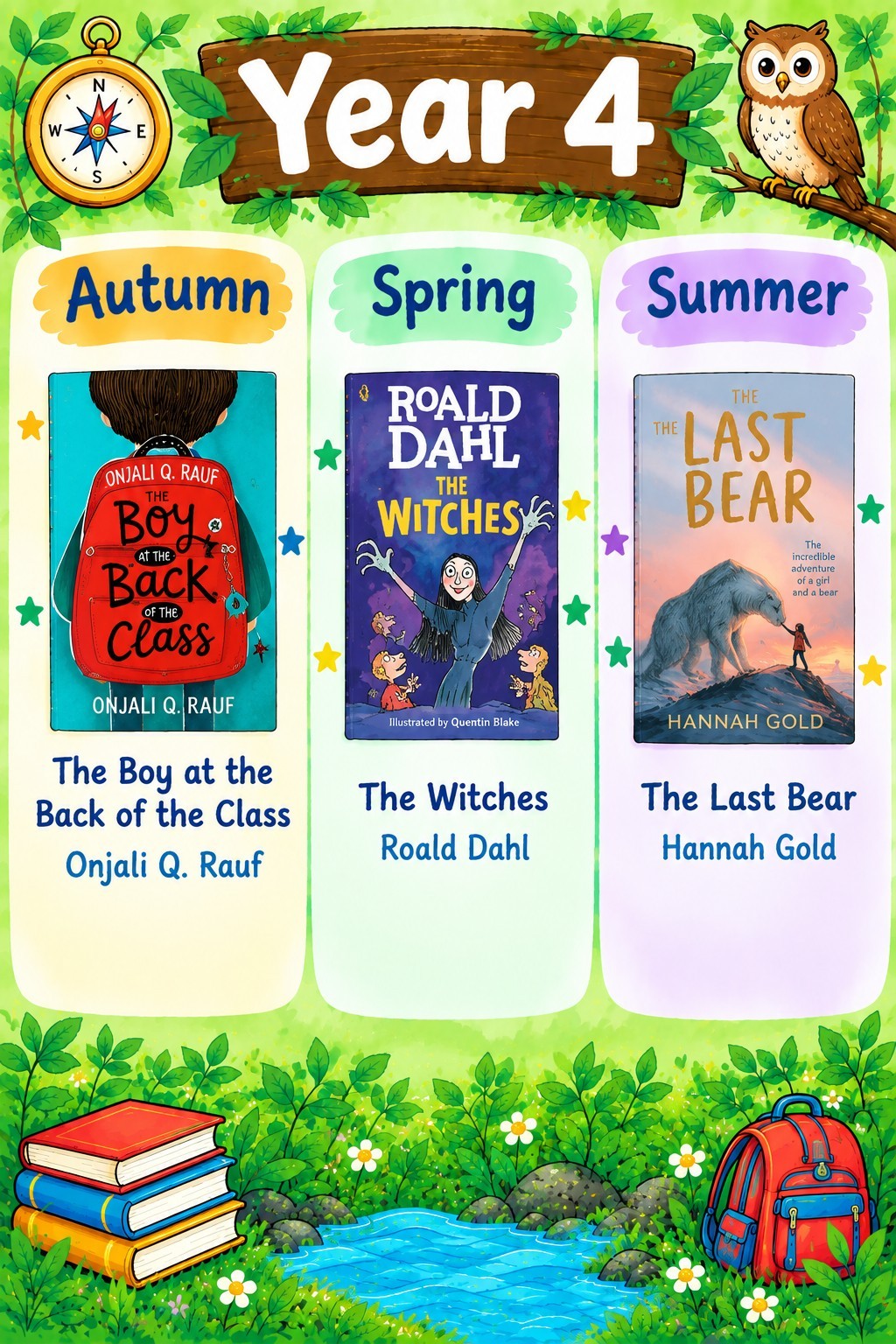
Staff read one or two books every half term that support the teaching of writing. At the beginning of every unit, staff meet to have a planning meeting. During this planning meeting, staff follow a detailed teaching sequence that allows for several reading opportunities that build up to two longer writing outcomes.
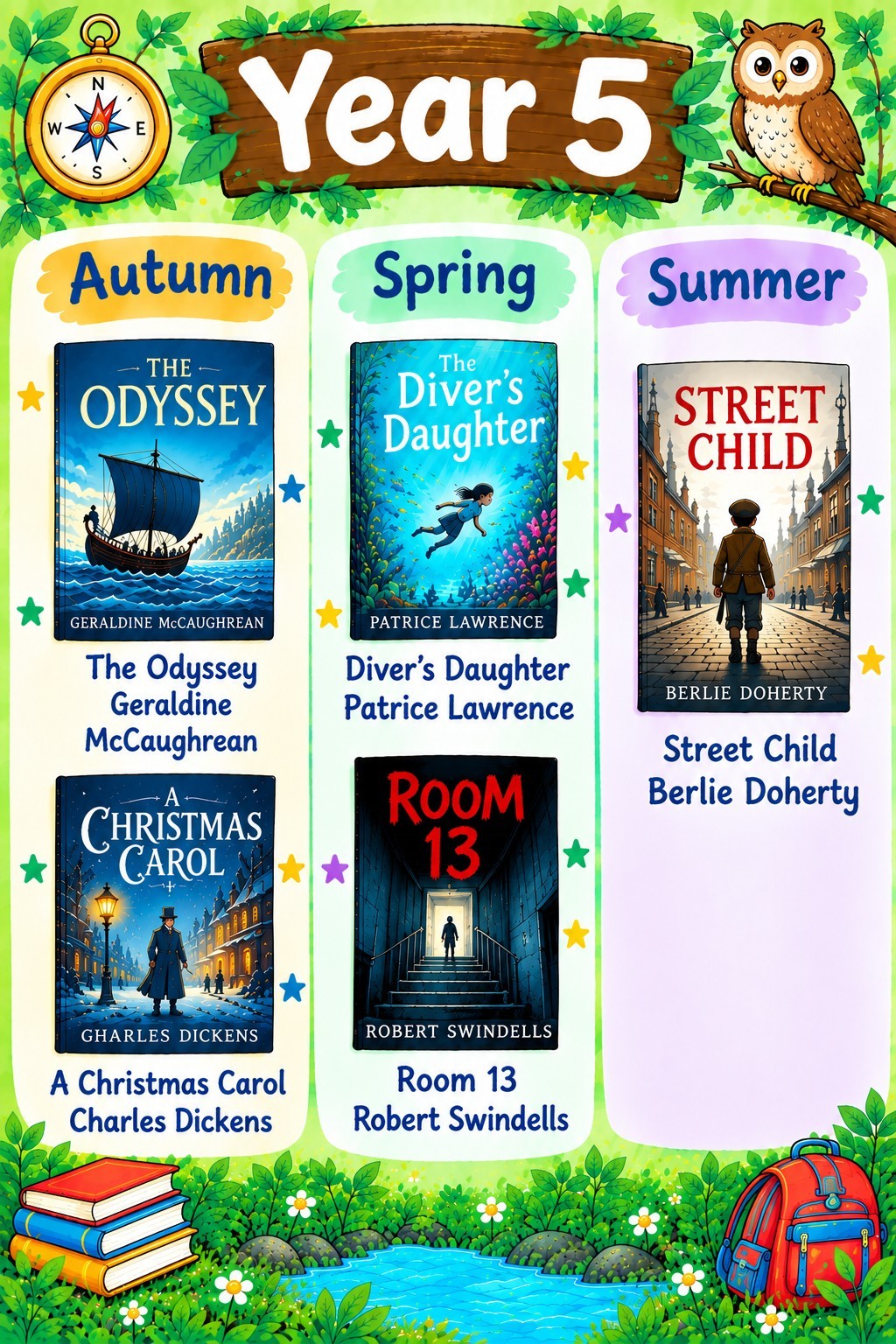
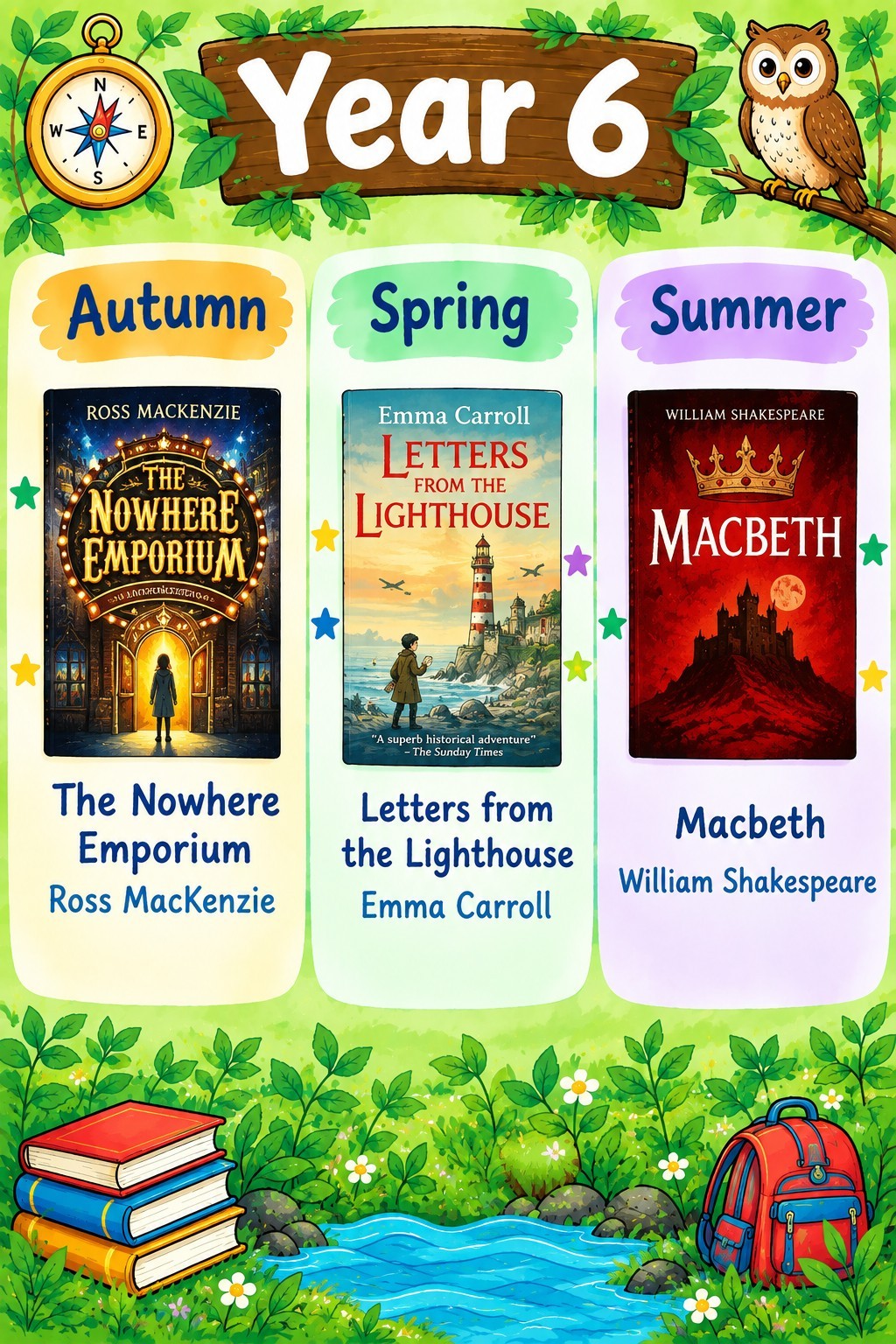
Staff read their class novel, which if it is a lengthier book is the same as the book they are covering in English lessons. This ensures that the class novel reading time is purposeful to learning. Class novel time is fifteen minutes at the end of each day.
There are also lots of cross curricular reading opportunities provided for the children during maths and their foundation subject lessons.
Writing
At the beginning of each year, grammar is a focus across the school from year 1 to 6. We follow PVPG (Place Value in Punctuation and Grammar) to ensure children have the grammar foundations needed to progress throughout the rest of the year.
Writing is taught during English lessons that are one hour long. Staff use the writing progression document, reading progression document and CMAT sheet to plan a half term unit of work that is linked to one or two books. During the teaching sequence, children are taught all the punctuation, grammar and writing objectives in order for them to make progress and be at the appropriate level of attainment in writing. These grammar objectives are mapped out on the writing overviews.
The unit of work provides several writing opportunities and two longer pieces of writing for the children to apply what they have learnt in English. Children are also taught to proof read and edit their work. This allows staff to assess and set achievable targets for our children.
Writing is taught at various points throughout the day at Rossmere. The children write during maths to explain their problem solving and reasoning. Writing may also be evident in some foundation sessions.
Punctuation and Grammar
Children are taught the punctuation and grammar for their appropriate level of attainment at several points during a half termly unit of English work. It is expected that the children apply everything they have been taught in their writing. Each year group start their lessons with an explicitly taught, progressive grammar starter activity. Children in Year 6 carry out a Spelling, Punctuation and Grammar assessment in May each year.
Spelling
Staff plan spelling lessons three times a week for fifteen minutes. We have a spelling document which maps out all the spellings that the children need to learn in every year group. The spellings are taken from the National Curriculum list. At the beginning of the week the children are taught the specific pattern or rule. The children must be able to read and understand all the words. Throughout the week, the children are given spelling assignments using Ed Shed for them to practice and apply their spellings every day. At the end of the week, the children are assessed using a Hive on the website Ed Shed. From this, staff can analyse spelling data and see where there may be some gaps in their spelling knowledge.
Handwriting
Handwriting is taught from nursery to year 6. Nursery and reception use Squiggle While You Wiggle to develop gross and fine motor skills. In Autumn 2, reception begin to teach formal handwriting sessions. These are taught three times per week for ten minutes during child-initiated time by an adult in groups of six.
Key Stage 1 are taught two formally modelled lessons per day. Key Stage 2 are taught one modelled ten-minute lesson per day. This happens after break time for Key Stage 1 and 2. The additional session in Key Stage 2 happens in the afternoon.
Early Years
Children in Early Years are immersed in reading, writing and communication throughout the day. They have frequent opportunities to develop their early writing skills through mark making, drawing and writing using a wide variety of materials and different media.
Children are supported to develop the physical skills required for successful writing through the Squiggle Handwriting Programme. Gross and fine motor activities help children develop upper-arm and shoulder strength before progressing to greater control of their lower arms, wrists, hands and fingers. Children are then given a wealth of opportunities to make representations, mark make, draw, copy and begin to write independently and with adult guidance.
Reading in Early Years
Reading is an important part of every day in Early Years. Children are regularly read to by adults and encouraged to develop a love of books, stories, rhymes and songs.
Carefully selected books are used to complement themes and areas of learning. Many include repetitive language, rhyme and familiar patterns, enabling children to anticipate what comes next and confidently join in with shared reading.
Children are taught the importance of careful listening and active participation during story time. Through fiction, non-fiction, rhymes, poems and songs, adults introduce and model a rich range of vocabulary and encourage children to use new words in their own communication.
These early experiences provide an important foundation for later reading and writing. Children develop their listening, attention, communication and language skills while enjoying a wide range of high-quality texts and stories.
Mark Making in Sparkles and Nursery
In Sparkles and Nursery, children have regular opportunities to explore mark making through purposeful play, both indoors and outdoors. They use a wide range of materials, including paint, chalk, pencils, crayons, water and sensory materials, helping them to understand that the marks they make can have meaning and communicate their ideas.
Adults encourage children to talk about their marks and provide positive modelling and support. Alongside mark making, gross and fine motor activities and the Squiggle Handwriting Programme help children develop the strength, coordination and control needed for writing. As children become increasingly confident, they progress from making marks and patterns towards forming recognisable shapes and letters when developmentally ready.
Writing in Reception
We recognise that children enter Reception at different stages of their writing development. Where children are not yet confident writers, adults provide appropriate support and carefully planned opportunities to enable them to access the writing curriculum.
Children develop their understanding of early writing through purposeful activities and play-based opportunities. They are encouraged to:
- develop their fine and gross motor skills;
- make marks and representations;
- draw and give meaning to their drawings;
- practise letter formation;
- copy and write with adult guidance;
- and increasingly communicate their ideas through independent writing.
These experiences help children build the confidence, physical control and understanding needed to become successful writers.
Reading at Home
Children are encouraged to continue developing their love of reading at home. They have book bags and are provided with appropriate books to share with their families. As children progress through the phonics programme, they may also take home an appropriately matched Read Write Inc. book to practise the sounds and reading skills they have been learning in school.
Read Write Inc. Phonics
Children begin their phonics journey in Nursery, with the Read Write Inc. programme formally introduced from Spring 2. Alongside the programme, children continue to experience a broad range of reading, writing, speaking and listening opportunities.
Children learn to recognise and read the 44 phonemes of English and develop their ability to blend sounds together to read words. Teaching takes place through structured Speed Sounds lessons and carefully matched reading activities and books.
From entering Reception, children are assessed regularly and grouped according to their current stage of phonics development. Screening takes place every half term, enabling teaching to be closely matched to children's individual needs and ensuring that children receive appropriate support and challenge.
Read Write Inc. Phonics continues until children have successfully completed the programme. Many children will complete the programme during Year 1, while children who require additional time and support can continue with the programme in subsequent year groups.
Throughout Early Years, our aim is to ensure that every child develops the communication, language, phonics, reading and early writing skills they need while fostering confidence, independence and, most importantly, a lifelong enjoyment of reading and writing.
Newsletters